 Big Ben Time
Bells of Britain
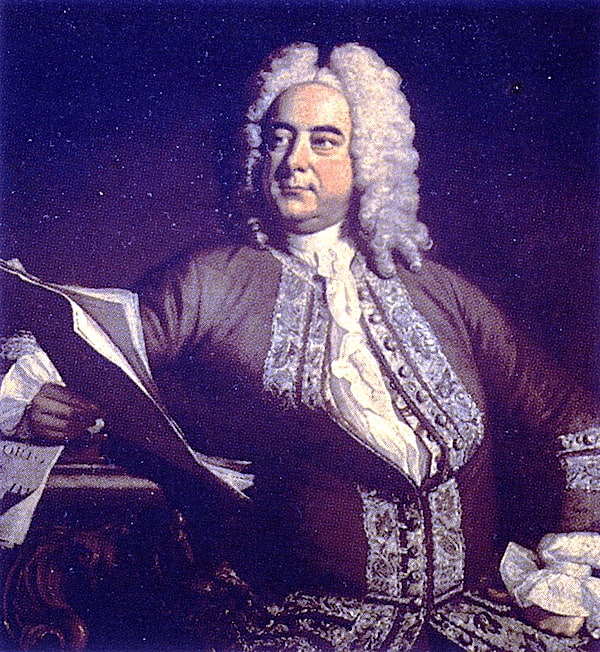
German-born but achieving fame as an English composer, Georg Friedrich Händel, is quoted as calling Britain 'the Ringing Isle'.
When he joined the future King George I in England, at the beginning of the 18th century, he would have heard bells ringing everywhere, from the humble parish church to imposing clock-towers.
The tunes, the pattern and the rhythm must have impressed him as as a symbol of Englishness. It is the result of a specific style of bell-ringing, called change ringing.
Would that explain why Händel remarked that the English prefer something they can beat time to?
You can read a lot more about the skill and art of change-ringing in a book by John Harrison, "Bells and Bell-Ringing".
Are Big Ben's chimes the most famous ones in London?
Listen to its unmistakable sounds on your own device or find out why it is such a tourist attraction.
Big Ben is not the heaviest bell in England, not since the end of the 19th century. That crown has belonged, since 1881, to 'Great Paul', whose chimes can be heard from St Paul's Cathedral in London.
It is not a regular event though, because of a fault in the chiming mechanism. Fortunately, it can be and it is rung manually, for larger services.
The hourly task is taken over by three bells, led by a different "great" one, Great Tom.
There is another hour bell with the same name, which resides in Oxford, in the Tom Tower at Christ Church College. The Oxford Great Tom has its own unique time-keeping pattern.
Ringing For England website, a treasure trove of information, published the top 12.